
Every holiday season I hear the same thing from parents: “My kid has everything.” The playroom is full, the shelves are overflowing, and the wish list looks a lot like last year’s. The good news is that a kid who has everything usually doesn’t need more stuff. They need something that surprises them, asks them to do something, or shows them the world a little differently.
Here are five gift ideas that work well for kids who are hard to shop for. The first one looks like a toy, but it keeps busy hands occupied for weeks.
1. Giant Magic Cube 3×3, 18CM Stickerless Puzzle Cube
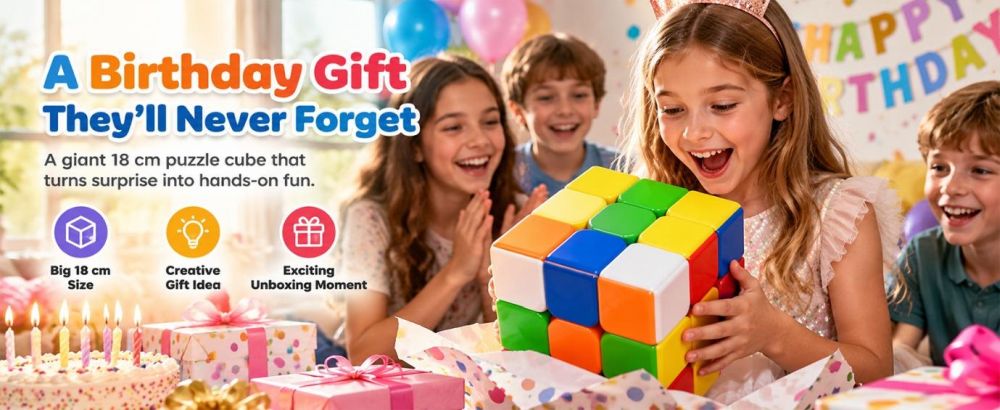
- Best for: Ages 6 and up, especially kids who like puzzles and a good “wow” moment
- Size: About 18 cm (roughly 7 inches), far bigger than a standard speed cube
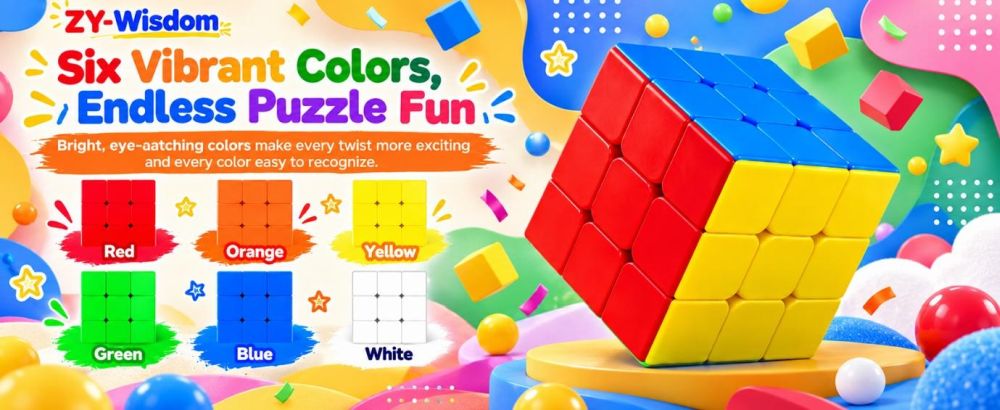
- Material: ABS plastic with a stickerless design, so there is no peeling or fading
- Customer rating:4 out of 5 stars from 918 ratings on Amazon
The size is what makes this one work. A cube that big sitting on a desk is hard to ignore, and kids who think they have seen every toy usually stop to stare. Once they figure out how to turn it, it doubles as a display piece. You can see the full listing here:
At 18 cm (about 7.1 inches), the Giant Magic Cube has the kind of oversized look that makes a gift-opening moment memorable. It’s a fun choice for birthdays and holidays when you want something unexpected, colorful, and easy to show off. The giant format is part of the appeal, whether it sits on a shelf or comes out for an afternoon challenge.
It’s also a screen-free way to bring everyone around the table. Parents and siblings can take turns matching colors, setting small goals, or working together on a single side. No app or charging cable is needed, just a puzzle that gives the whole family something to try together.
Check product here: https://www.amazon.com/gp/product/B09L77YZZQ
2. A Real Pair of Binoculars and a Bird Guide
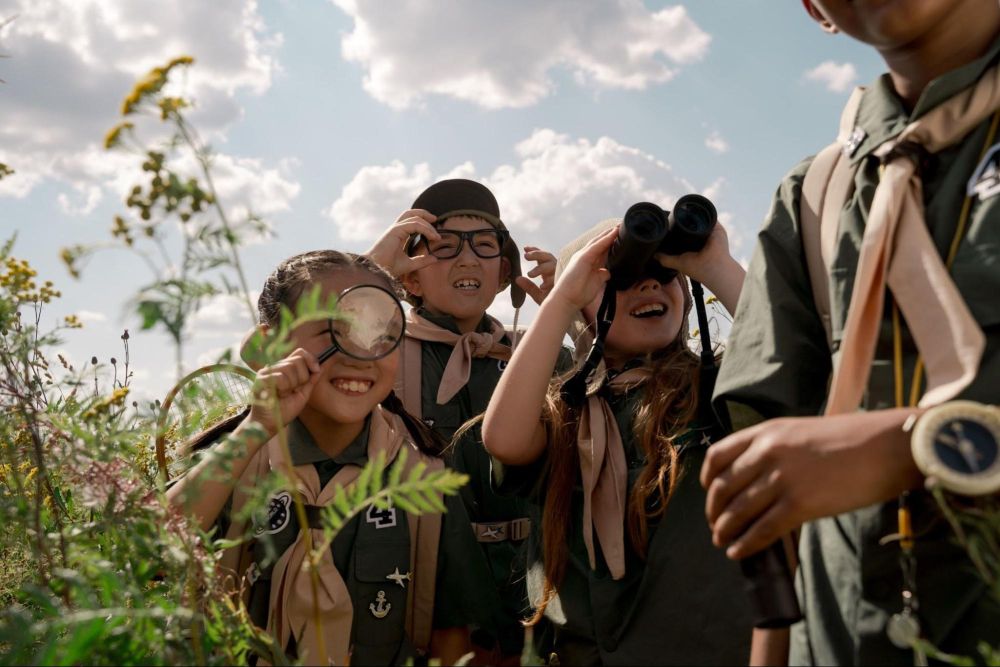
Kids on a nature outing take turns with binoculars to spot wildlife.
A kid with a pile of toys may still have never looked at a tree through binoculars. That is the point. Pediatric research keeps pointing in the same direction: time in nature is good for children’s physical activity, focus, and mood. A systematic review published in the journal Pediatrics found a positive link between nature contact and children’s health, especially for physical activity and mental health.
When you shop, look for kid-sized binoculars that are easy to focus and not too heavy for small hands. Pair them with a simple field guide to local birds or insects, and suggest a “spot the most birds” contest on the next walk.
3. A Watercolor Set That Is Not Just for School
Most kids have crayons and markers. Fewer have a proper watercolor set with real pans, a few decent brushes, and thick paper that doesn’t buckle when it gets wet. The difference shows up fast. Watercolor is forgiving, so a child can paint something messy, see the colors blend, and try again without feeling like they failed.
Make it a shared activity if you can. Set up the paints on a wooden table, put out a jar of water, and paint next to them. Kids who have everything often want company more than they want another object.
4. A Compass and a Backyard Treasure Map

A compass feels like a real tool, which is exactly why kids like it. Look for a simple baseplate compass with a clear needle and easy-to-read markings. Then build the gift around it. Draw a map of the backyard or a nearby park, hide a small prize, and let the child use the compass to find it.
This works because the child is the one doing the work. Reading a compass, counting paces, and choosing a direction is a bit of problem-solving, and the reward is finding the treasure, not getting another thing out of a box.
5. A Day They Get to Plan Themselves
The last idea is the one most parents skip, and it may be the best. Instead of an object, give a plan: a pottery class, a climbing gym day pass, a cooking lesson, or a backyard campout with a tent and a flashlight hunt. Research from the Journal of Consumer Research found that experiential gifts strengthened relationships more than material gifts did, mostly because of the emotion recipients felt while enjoying them.
There is a catch. Younger children tend to value physical things more than experiences, and that shifts as they get older and can remember and appreciate what they did. So for a younger kid, pair the experience with something tangible, like a small souvenir or a photo they can put on the wall.
Most kids who have everything do not actually want more. They want something to look forward to and a reason to be excited about a Saturday. Choose the gift that gives them something to do, and the wrapping paper will matter a lot less.

