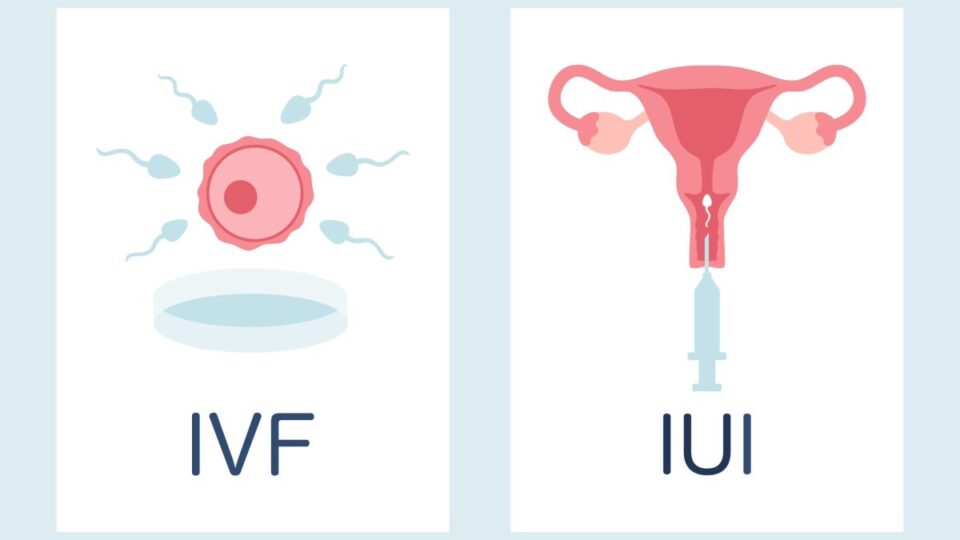
IUI and IVF are intended to facilitate conception. But they are different in terms of process, cost, and the success rate.
We will explain how each approach works. At the end of it, you will know what option may or may not fit your medical case and your personal objectives.
IUI – A simpler starting point
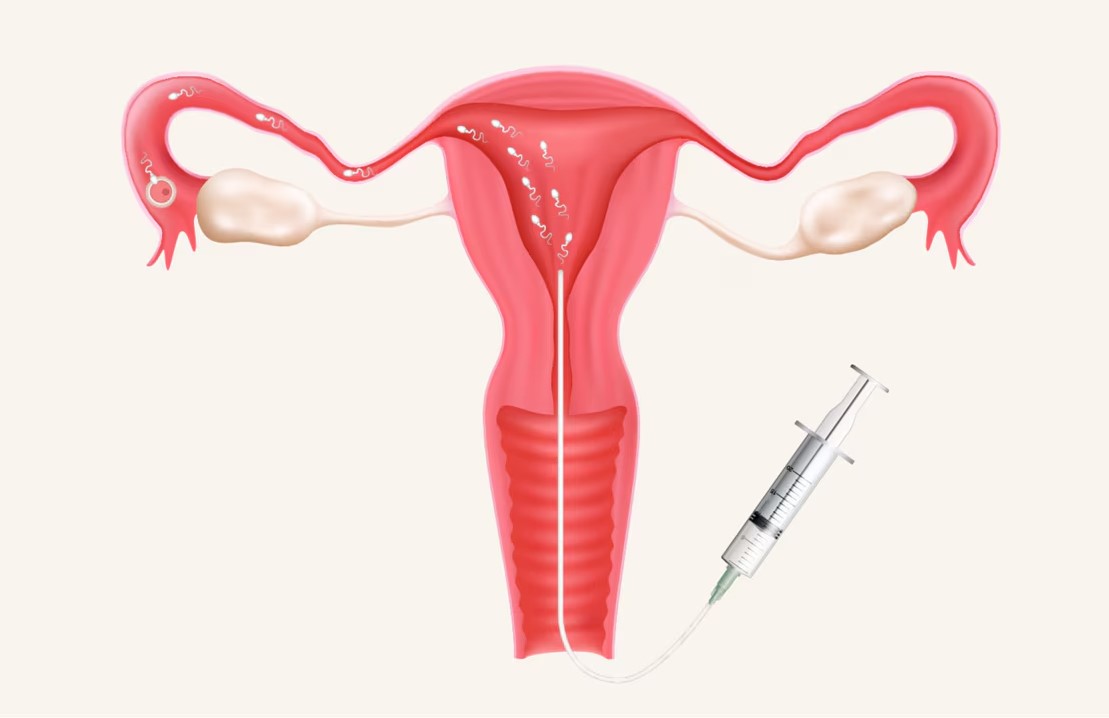
Generally, intrauterine insemination (IUI) is deemed one of the least invasive treatments of fertility. The process entails implanting ready sperm into the uterus at the time of ovulation. This brings the sperm nearer to the egg. It enhances the possibility of fertilization.
IUI is usually prescribed when:
- Sperm counts or motility are slightly reduced
- Ovulation requires mild stimulation
- There is unexplained infertility
- Donor sperm is being used.
The process of treatment is fairly simple. The doctor can:
- Prescribe ovulation-stimulating drugs
- Monitor the cycles.
After that, insemination happens at the clinic. It lasts just a few minutes. The recovery time is also minimal.
IVF – A more advanced procedure
This one is more complicated:
- The eggs are removed from the ovaries.
- Then, fused with sperm in a laboratory.
- The embryo is then inserted back into the uterus.
IVF is commonly advised where there is:
- Obstructed or damaged fallopian tubes
- Severe male factor infertility
- Genetic testing specifications
- Several unsuccessful IUI procedures
- Advanced maternal age.
The IVF procedure is divided into various steps, which include:
- Ovarian stimulation
- Retrieval of eggs
- Fertilization
- Development of the embryo
- The transfer of embryos.
The fertilization process takes place in a controlled laboratory setting. Hence, physicians transfer the healthiest embryo.

Comparing success rates
The success rates differ with:
- Age
- Fertility diagnosis
- Reproductive health in general.
In general terms:
- The success rates of IUI usually lie between 10-20% per cycle.
- The success of IVF may be as high as 40-60% per cycle in younger patients. But aging reduces the success rates.
IVF gives more control over the process. But this also implies that more planning and medical intervention are needed.
IUI is typically recommended by your doctor as the initial course of action. IVF can also be recommended at an earlier stage. Especially if there are known biological obstacles to natural fertilization.
Cost considerations
For many patients researching fertility options, understanding the IUI and in vitro pregnancy cost is an important step in making a decision.
IUI tends to be cheaper. This is because it is not associated with numerous drugs and treatments.
IVF, however, involves many things:
- Laboratory procedures
- Specialized devices
- A longer course of treatment.
The cost may differ based on:
- The location of the clinic
- Medication needs
- Inclusion of any other services in the treatment plan. For example, genetic testing or embryo freezing.
Many patients also consider the long-term view. IVF is more expensive initially. But its greater success rate can result in fewer treatment cycles.

Medical reasons
The decision is not purely financial. The most suitable treatment depends on medical conditions.
Some of the key factors include:
- Age
- Ovarian reserve
- Sperm quality
- Fallopian tube health
- Duration of infertility
- Previous pregnancy history.
These factors assist the doctor in deciding which approach will likely be successful.
The takeaway
A fertility specialist can help you adopt a fertility journey that meets your medical requirements and your future goals.